Ask the Health Visitor: Teething Remedies
Tracey Stone is a Health Visitor, and able to provide expert guidance on all things teething. Currently a registered practising Health Visitor in the community working with children and their families, Tracey also supports families in the online community with issues related to health and wellbeing. She is a qualified Paediatric Nurse with over 20 years’ experience and a Nurse Prescriber. She has also helped establish a respite service for Children with Special Needs.
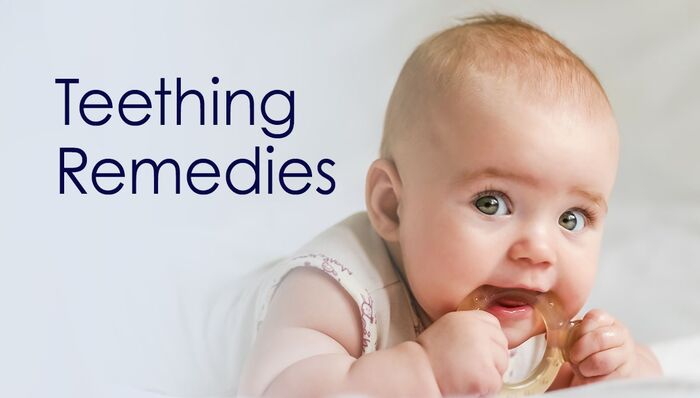
A: Teething rings or a cool, wet flannel will provide great relief to her hot gums. If she is established on solid food offering chilled banana, cucumber or carrot for her to chew on could work well. This may also distract her from biting you by using these tasty treats as a more painless alternative! You must stay with her if you choose this as a method just in case she chokes.
A: The two main symptoms that link digestion and teething are excessive drooling and decreased appetite, neither of which are likely to induce vomiting. I would suggest making an appointment to see a healthcare professional. Often teething symptoms can disguise another illness so it’s best to make sure your baby is healthy.
A: The product claims to contain a substance called succinic acid, which is said to have pain relieving properties. These items are a used by many parents when trying to help their little ones with teething discomfort, however they are not a recommended method from Health Professionals. It’s important that the benefits outweigh the risks and a bracelet, necklace or anklet placed around a child always poses the risk of strangulation. There is also the concern that the beads or clasps will detach and become a choking hazard. There are far safer ways to try first, so if you do decide to try the bracelets, ensure your child is above the recommended minimum age.
A: Every child responds in their own way to types of pain relief and care, so is possible that your second child will follow in the footsteps of your first. Homeopathic remedies have been used for a number of years as a traditional medicine and are still widely available to meet this demand.
Other ideas to try if you think your little one is still in discomfort is gentle rubbing of their gum with your clean finger, teething rings or a clean wet cooled flannel to suck on. Teething babies love to bite, so offering chilled banana, cucumber or carrot for them to chew on works well. Of course, you must stay with your little one if you choose this as a method just in case they choke. You could also consider paracetamol or ibuprofen suspension as an option. Whatever option you choose, be sure to follow the manufacturers guidelines included with the product.
Q: Are teething gels safe? I read that they can numb too much and pose a risk of the baby choking. Would you advise avoiding them or not to use them at night?
A:All medicines can cause issues if not used correctly. Gels used for the relief of teething pains have been used by parents for years and are suitable for children of that age. Though if you would prefer to avoid them, there are many alternatives. Chilled teething rings, cool fruit and vegetables or a cold wet flannel are great for relieving your baby’s hot swollen gums. Sugar free paracetamol or ibuprofen will also relieve discomfort of teething symptoms.
General advice only, Tracey does not endorse the brand.